
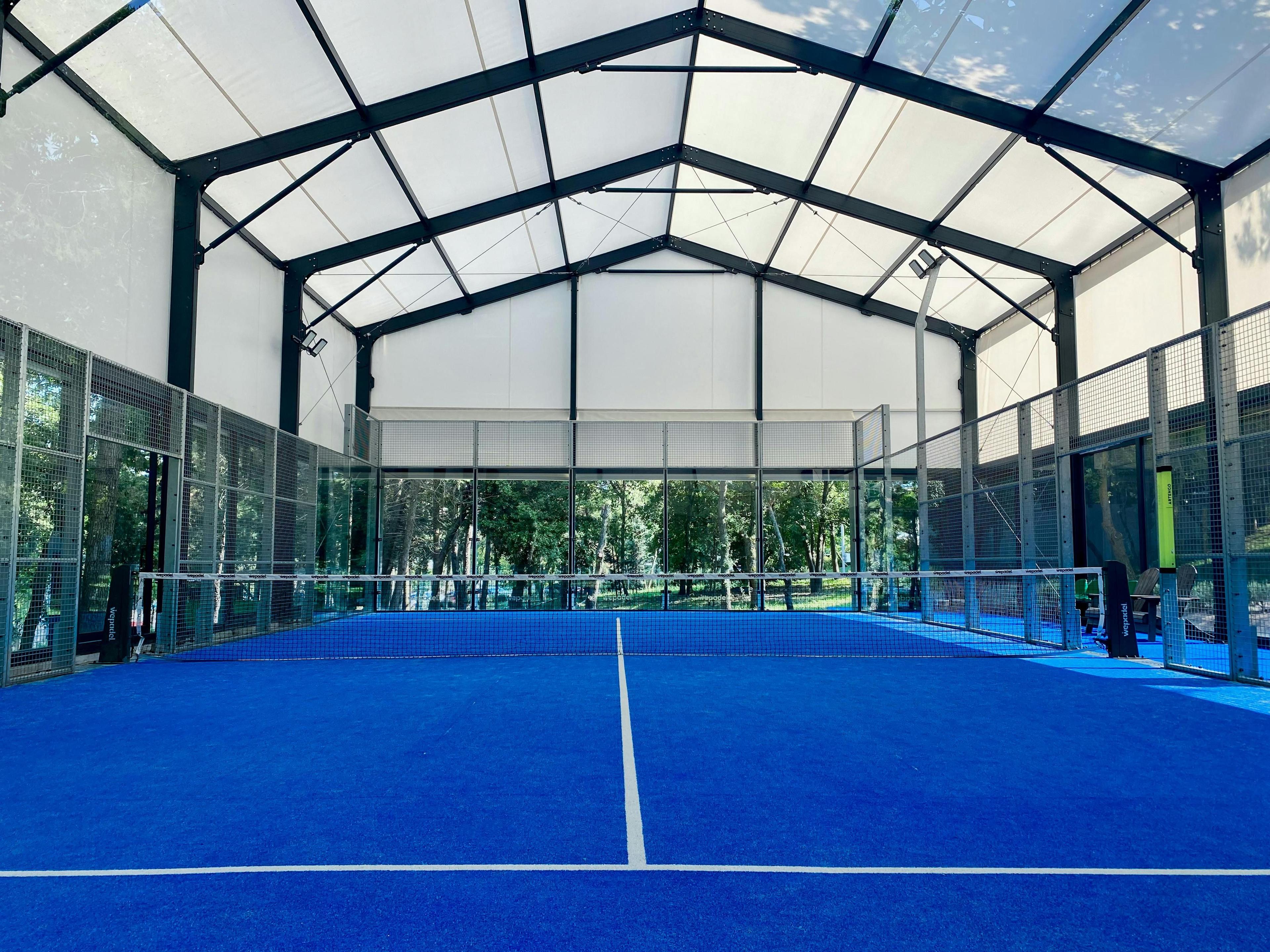
Padel’s popularity is rising fast in the U.S.
Padel, the fast-paced racket sport that blends elements of tennis and squash, is gaining rapid traction across the United States. Long established in Spain and parts of Latin America, padel is now emerging as one of the fastest-growing sports in the American market, driven by its social nature, short learning curve, and appeal to urban players.
Unlike traditional tennis, padel is played in doubles on a smaller enclosed court, which makes rallies longer and the game more approachable for beginners. This accessibility has helped padel attract players who may not have a strong racket-sport background but are looking for an active and social experience.
Investment, clubs, and urban expansion
Much of padel's U.S. growth is being fueled by significant private investment. New padel clubs are opening in major cities such as Miami, Los Angeles, New York, and Austin, often backed by developers, entrepreneurs, and former professional athletes. These venues frequently position padel as a premium lifestyle offering, combining courts with lounges, food and beverage concepts, and community events.
Real estate developers are also taking notice, integrating padel courts into mixed-use developments and high-end fitness facilities. In dense urban areas where space is limited, padel's smaller footprint makes it an attractive alternative to full-size tennis courts.
From niche sport to mainstream contender
Media exposure and celebrity involvement are helping push padel beyond its early adopter phase. While still relatively unknown to much of the U.S. population, the sport is following a familiar growth pattern seen in boutique fitness trends and emerging sports - starting with affluent urban markets before expanding more broadly.
Industry leaders believe the coming years will be decisive. If infrastructure continues to grow and participation widens beyond major metros, padel could establish itself as a lasting part of the American sports and recreation landscape.
The numbers behind the trend
For the current figures — court counts, state-by-state spread, professional league investment and the 2026 season — see our summer 2026 state of play, which tracks the market as it stands today.
New to the sport? Start with what is padel, or find courts near you.
Source: The popularity of padel, however it's pronounced, is rising in the US — Sports Business Journal, November 2025.